
Made by a therapist, for therapists
Bilingual SLT is a one-person practice. Everything here began with something I needed for my own caseload: a screening tool designed for Arabic-speaking children or an activity pack that didn’t need translating before I could use it.
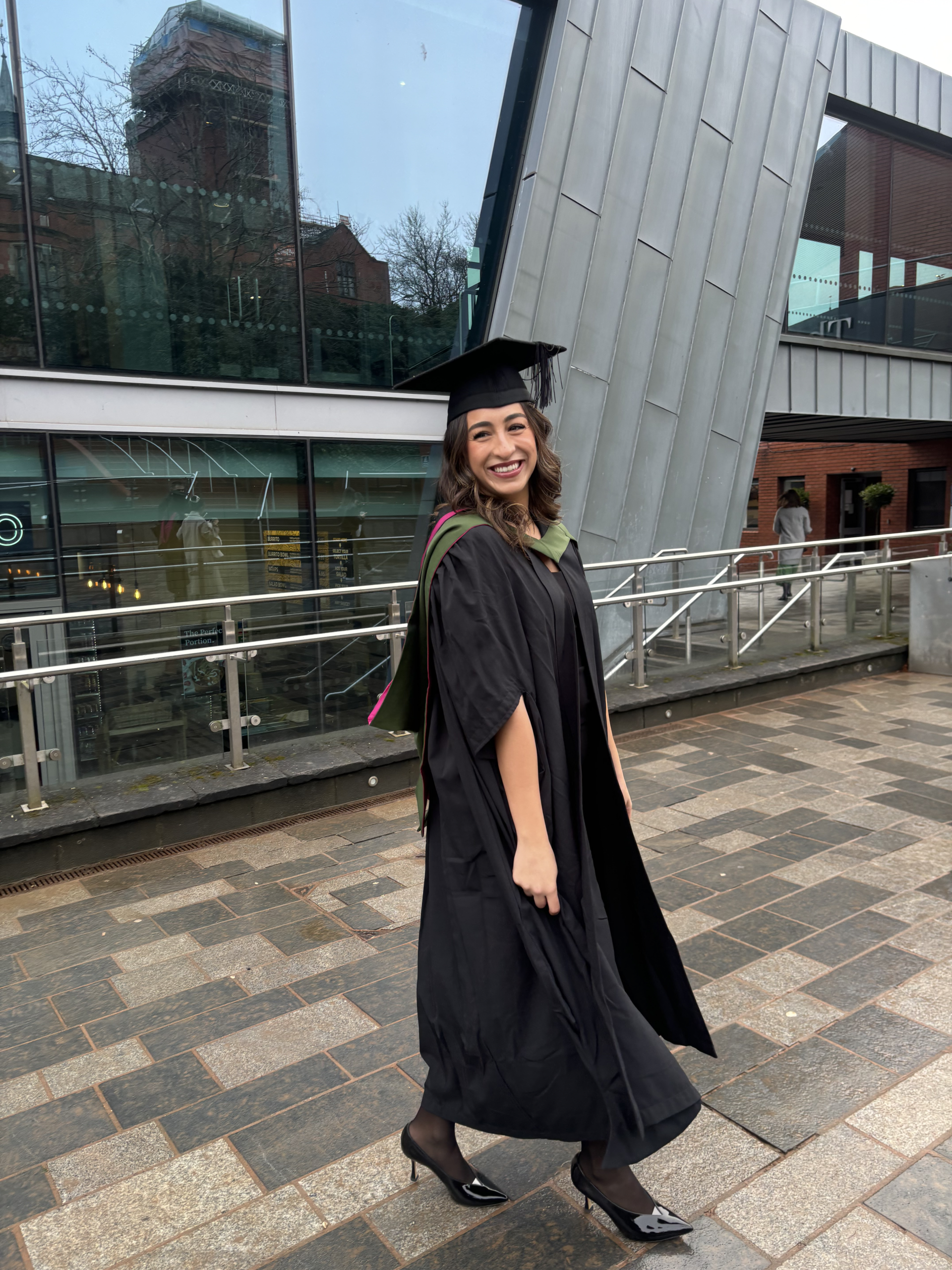
I’m Bodour Imseeh, a Speech and Language Therapist with a BSc (Hons) in Speech and Language Therapy from the University of East Anglia and an MSc in Speech Difficulties from the University of Sheffield. I’m currently completing a Doctor of Speech-Language Pathology (SLPD) at Northwestern University.
I’ve been practising since 2021 across school-based and private caseloads in the UK and, more recently, international schools in the Middle East. My specialist areas include bilingualism, phonology, speech sound disorders and early literacy. As a fluent Arabic and English speaker, this specialism is both professional and personal.
ilingual SLT is a one-person practice. Everything here started as something I needed on my own caseload — a screen that worked for Arabic-speaking children, an activity pack that didn’t need translating first.
I’m Bodour Imseeh, a speech and language therapist with a BSc (Hons) in Speech and Language Therapy from the University of East Anglia, currently completing a Doctor of Speech-Language Pathology (SLPD) at NU. I’ve been practising since 2021 — across school-based and private caseloads in the UK and, more recently, international schools in the Middle East — with a specialist background in bilingualism, phonology, speech sound disorders and early literacy. I’m a fluent Arabic and English speaker, and that’s where this specialism comes from.
How the resources are built
Built on the evidence that exists
Arabic normative data where it exists, and a clear note where it doesn't. No claims the materials can't clinically support.
Usable in one session
Designed for time-pressed caseloads: print, use, score. No adaptation or translation step before you can start.
Bilingual by default
Arabic and English side by side wherever it makes clinical sense, rather than an English resource with a translation bolted on.
Why bilingual, why Arabic
Most assessment tools were normed on monolingual, English-speaking children, and most therapy materials assume the same. That leaves clinicians improvising: translating on the fly, or testing in a language the child hasn’t had full exposure to and reading the result as though they had.
Arabic-speaking caseloads feel this most sharply. There is no shortage of English phonology screens and a real shortage of properly built Arabic ones. The resources here exist to close that gap — built for the child’s actual home language, and usable whether or not you speak it yourself.
Nothing here claims more than it can support clinically. Where evidence is thin — Middle East dialect norms, for instance — the materials say so.
Questions, or something you'd like built?
Support, orders and product questions all come to me directly. If there’s a resource your caseload keeps needing and can’t find, tell me — that’s usually where the next one comes from.